Passwordless sign-in
Passkeys
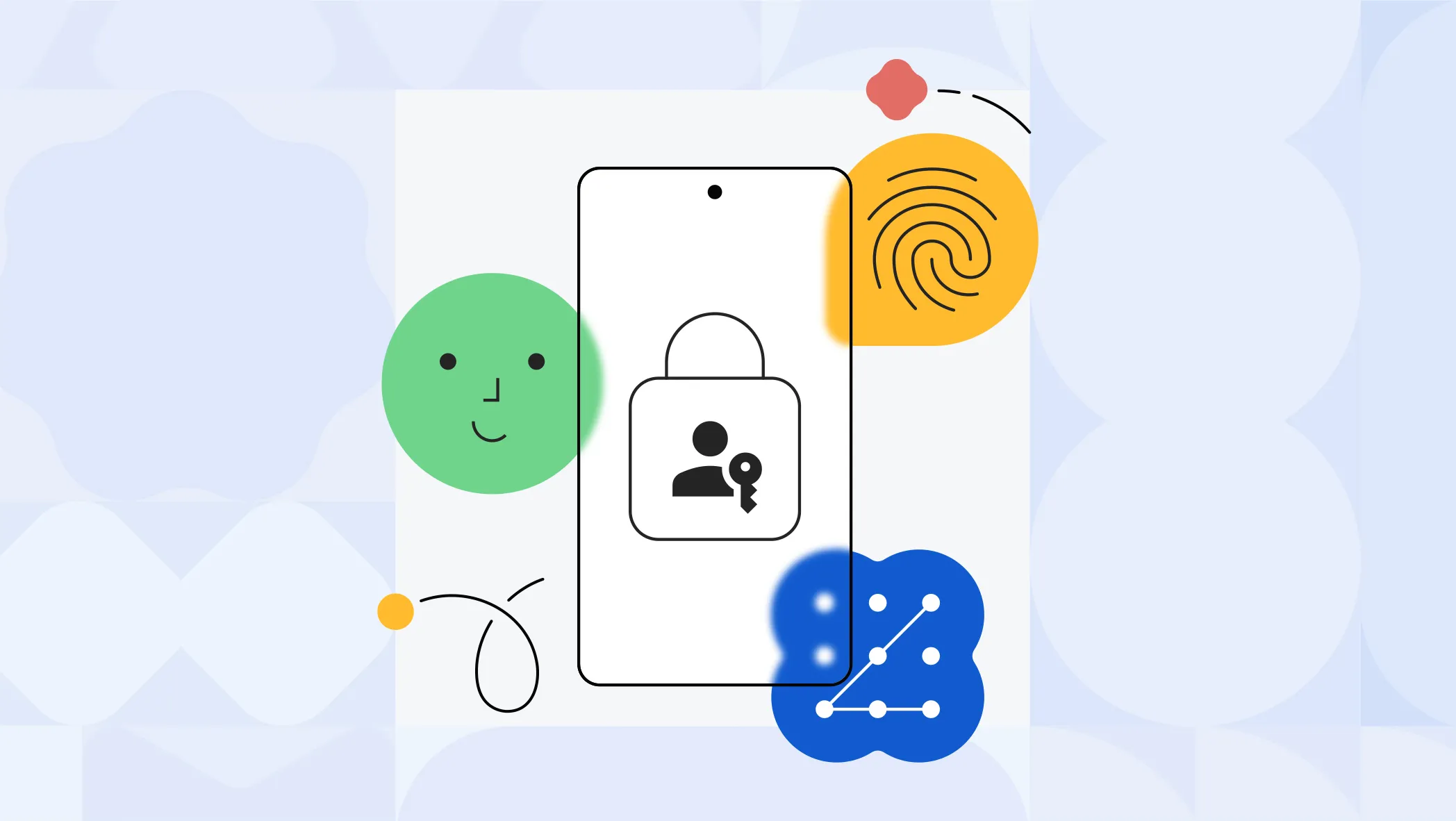
Making passwordless sign-in feel familiar, with Google reporting 30% higher sign-in success than passwords

Google
2019–present
Keep access when life changes. At Google, I set UX direction across sign-in, protection, and recovery: how people enter an account, protect it, and regain access when their usual method fails.
A lost phone connects all three: how someone signs in, how their account stays protected, and how they get back in. I bring privacy and safety into those decisions so people can trust the whole experience.
Passwordless sign-in
Making passwordless sign-in feel familiar, with Google reporting 30% higher sign-in success than passwords
Product evolution
Modernizing a trusted security product, including code synchronization and the choice to stay device-only
Everyday account protection
Removing the phone-number prerequisite and making automatic protection work at scale
Protection for high-risk users
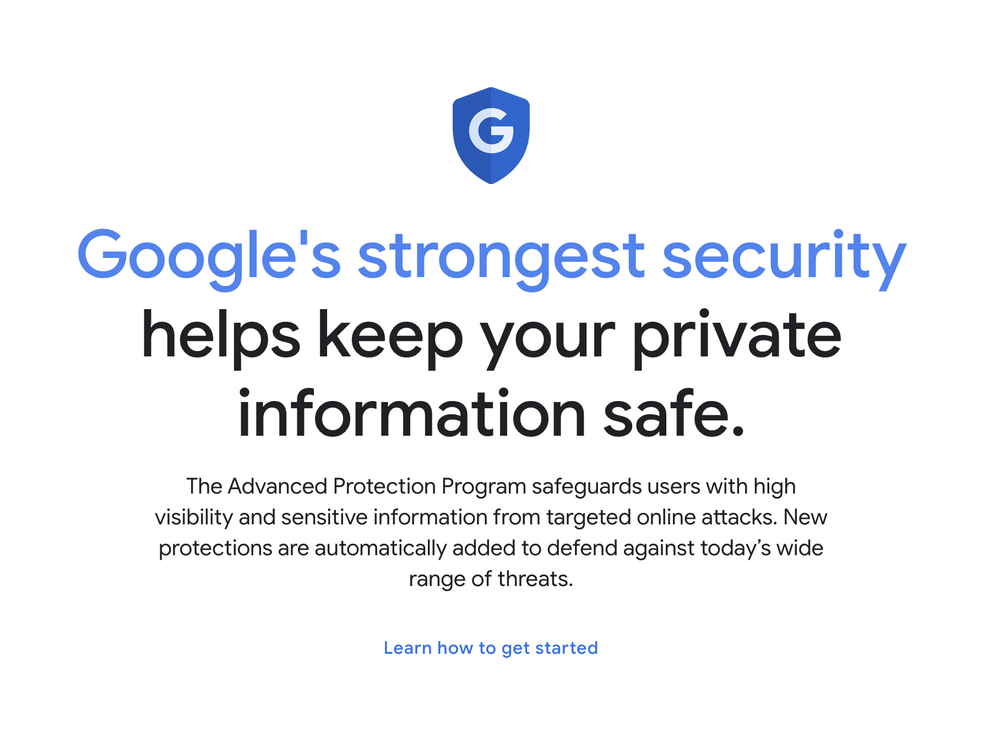
Evolving Google's strongest account protection for people at heightened risk, including enrollment with passkeys
FIDO Alliance · Cross-company leadership
Extending the work beyond Google: leading shared UX guidance for passkeys and digital identity across companies
Account recovery & health 2026–present
I designed Recovery Contacts and am shaping selfie video sign-in UX, helping people regain access when their usual way in is unavailable.
My remit
I lead a multi-year UX vision for account safety that depends less on having a particular device. Losing or replacing a phone should not determine whether someone can access their own account. This is the direction I am working toward across sign-in, protection, recovery, and account health.
At the same time, I pursue practical, bottom-up improvements using what we have today: supported sign-in methods, clearer enrollment, and existing recovery options. These efforts preserve access and make accounts safer now, while the longer-term vision guides what we build next.
Design judgment
Security sometimes asks people to do more. My role is to help teams decide whether that effort is meaningful: does it help distinguish a rightful owner from someone trying to take over?
I bring user needs, security requirements, and technical constraints into the same conversation. We evaluate changes for their effects on access, protection, and other account journeys, including unintended regressions.
Connected experience
Help people reach their account with a method they can use confidently.
PasskeysConnect stronger credentials with enrollment and readiness for everyday use.
2-Step VerificationAccount for device changes and the moments when someone's usual way in fails.
Recovery and account healthChanging how we work
I introduced UX briefs to establish what a design change should accomplish before detailed design begins. I write the brief and seek sign-off on the intended outcomes, giving partners a shared basis for reviewing the work.
I bring UX into policy decisions and leadership discussions about product strategy. I help establish product values, mission, and vision, then connect individual changes to the end-to-end account journey. The question is not just whether a screen works, but what its rules mean for someone's ability to sign in, stay protected, and recover access.
I also mentor designers on security, authentication, access, safety, and trust, so they can make those judgments in their own work.
Quality in everyday use
I drive Papercuts auditing at Google: intentional internal dogfooding across account types and devices. We manually use our experiences and turn what we find into tickets for the team to address.
An issue does not have to be a functional bug to qualify. Something can feel confusing, look wrong, or interrupt the experience even when the system is working as specified. We capture that impression rather than requiring someone to prove a defect before it gets attention.
This gives everyday experience quality a place alongside feature delivery, including the small problems that are easy to miss when reviewing one screen or one account type.
Account recovery & health 2026–present
My account-recovery and account-health work is grounded in a simple reality: losing a device does not mean someone has stopped being the rightful owner.
I designed Recovery Contacts and am shaping selfie video sign-in UX: helping people get back into their own accounts when their usual way in is unavailable. Privacy, safety, and trust are central to this work.
I designed the experience of getting help from a trusted friend or family member when other ways to recover an account are unavailable.
Google's announcementAnnounced in July 2026, selfie video gives eligible people who set it up in advance another way to sign in when their usual device is unavailable.
Google's announcementHow selfie video sign-in works, including setup, eligibility, and privacy controls.